

By Shanteya Hudson September 26, 2024
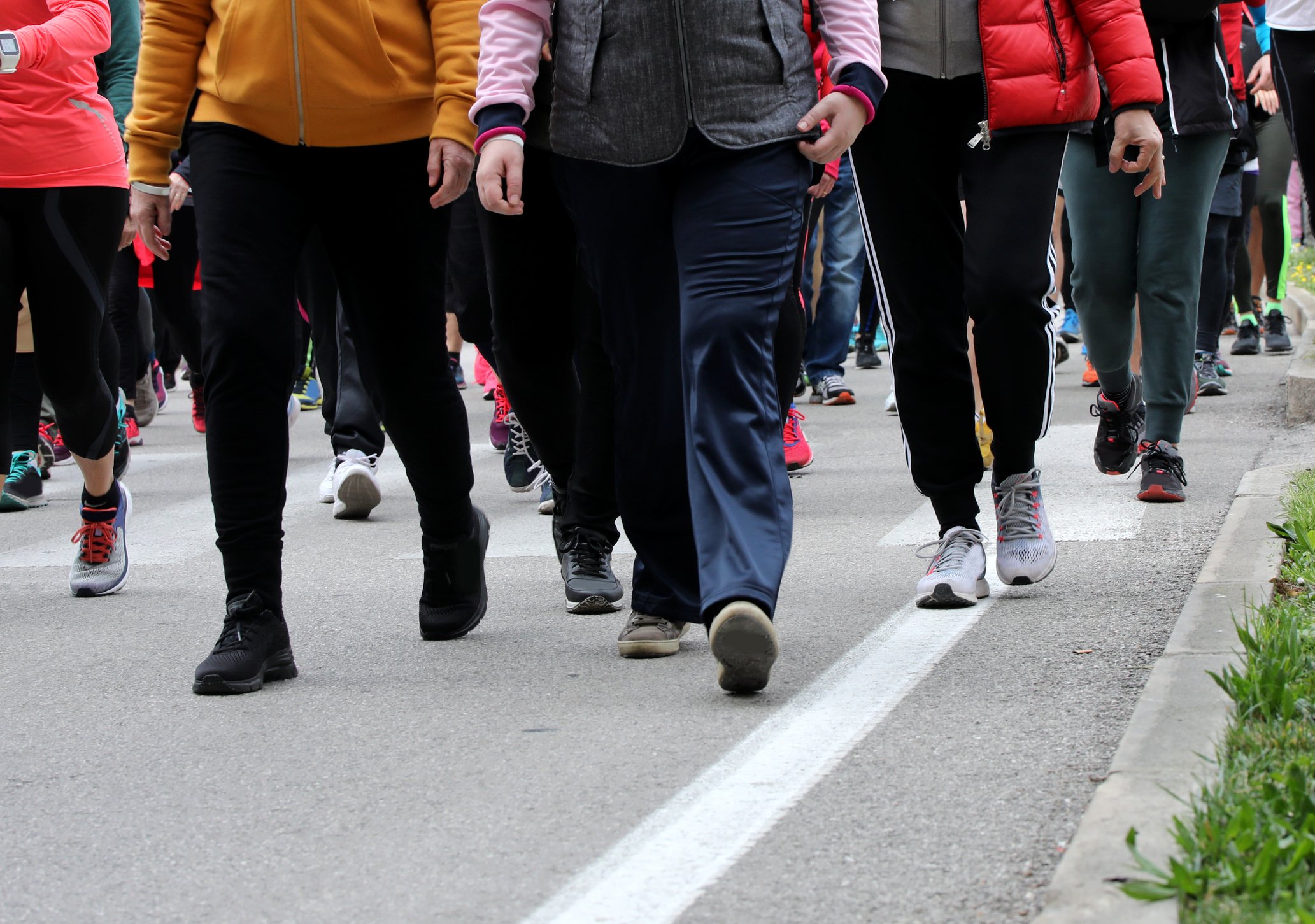
Today, advocates in North Carolina are kicking off a 136-mile “Walk for Commutation” to raise awareness about those on death row who could soon face execution.
Organized by the North Carolina Coalition for Alternatives to the Death Penalty, the walk is part of a larger push that calls on Gov. Roy Cooper to commute the death sentences before he leaves office.
Noel Nickle, executive director of the North Carolina Coalition for Alternatives to the Death Penalty, stresses the urgency as the state prepares for a change in leadership.
“There’s really no denying the racism of the death penalty,” Nickle explained. “There’s also no denying that death sentences have dramatically decreased. Most people on death row were sentenced more than 20 years ago. People are aging. They are no longer, if they ever were, a threat to our communities. We know that the death penalty doesn’t keep us safe.”
North Carolina has not executed anyone since 2006, but concerns are growing that the state may follow South Carolina’s recent decision to restart executions after a 13-year pause.
Nickle called attention to the racial and geographic disparities in death penalty cases. She explained that 60% of the people on death row are Black despite them making up a smaller share of the state population, and added that being put on death row can sometimes depend on where you live.
“For example, we’ll be walking through Chapel Hill and Durham as well where there’s no one on death row and where the district attorneys have said — in fact, they were elected on a platform of not seeking the death penalty,” she said.
Nickle added the coalition’s goal is to spark a statewide conversation about the death penalty’s flaws and the urgent need for reform. The walk will begin outside of the Forsyth County Courthouse and conclude on Oct. 10, which is World Day Against the Death Penalty.
This article has been republished by Public News Service under a Creative Commons license. Read the original article here.