
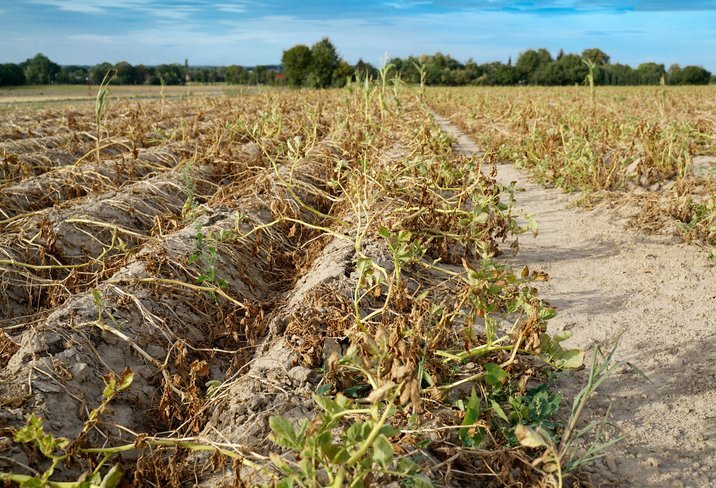
Most of North Carolina remained in drought this week, with parts of Guilford and Rockingham counties among the hardest hit in the state, according to the U.S. Drought Monitor’s report released Thursday.
Guilford and Rockingham both have areas classified in “exceptional drought” — the most severe category — while neighboring Stokes and Caswell counties sit one level down in “extreme drought.” The data covers conditions through September 29.
The dry spell comes after what’s typically the state’s wettest month. Klaus Albertin, chair of the state’s Drought Management Advisory Council and a water resources engineer with the NC Department of Environmental Quality, said the pattern stems from persistently dry weather and unusually little tropical storm activity this year.
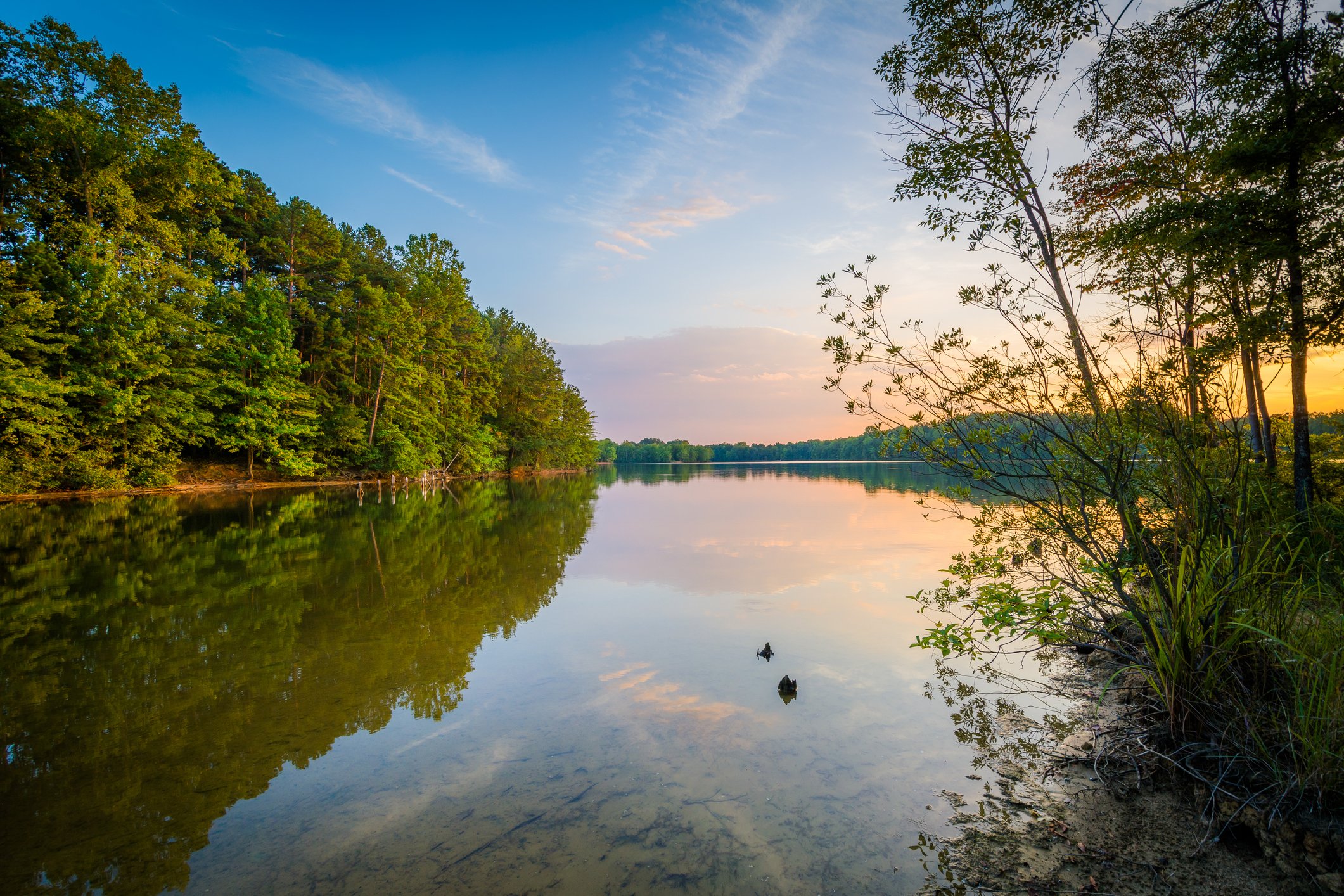
Chatham County is also feeling the strain: Jordan Lake continues to decline, part of a broader trend of falling reservoir levels statewide. More than half of North Carolina’s streamflows are currently running below normal.
Counties in the exceptional or extreme categories — including Guilford, Rockingham, Stokes and Caswell — are required to follow their Water Shortage Response Plans and report water use weekly. Residents can check with their local water system for specific restrictions, such as limits on lawn watering or car washing. Albertin said rain forecast for this weekend should bring some relief, though temperatures are expected to stay well above normal in the near term.